| |
 |
April 22, 2012 at 8:40 pm
· Filed under General Nutrition & Wellness, Nutrition, Wellness

Have you seen this story from New Zealand? It discusses a trial that was brought on by the family of a woman that died in 2010. Her cause of death was determined to be from a cardiac arrhythmia and low potassium levels. The family claims that they should receive benefits from the Coca-Cola company to help care for her eight children. The main claim is that Coke should have warning labels on it like those found on alcohol. While I am not here to defend Coke, it does speak to the problems of doing things in excess. What is interesting, is the fact that not much credence is given to the fact that she not only drank at least 7 liters of Coke a day, which alone would provide about 2800 calories, but she also smoked about 30 cigarettes a day.
She was noted as vomiting 6 times a day, had lost all of her teeth and ate only a small amount of food. She drank little else other than the soda. Her partner was asked during the trial if he suspected that her overall diet was not healthy. When asked about the amount of soda she drank and if that played a part in her health, he replied, "I never thought about it. It’s just a soft-drink, just like drinking water."
Drinking 7 liters of water a day could cause some major health problems as well.
Let’s use this story as a motivator to ourselves to ensure that we are eating a variety of foods, especially fruits and vegetables and reducing or eliminating intake of sweetened beverages, whether that be sodas, teas, energy drinks or alcohol. In other words, let’s be mindful of what we eat and drink. And, remember to always read beyond the headlines! There’s more to the story than just the soda.
It’s Your Health. It’s Your Life. Make That Change!
~John
Permalink
April 16, 2012 at 10:43 am
· Filed under General Nutrition & Wellness, Wellness

Spring is a great time for new beginnings! Have you ever said, “I know what I should do to improve my health, I just need help doing it”? If so, then Integrative Health Coaching is for you! As an Integrative Health Coach, Angie partners with you to discover, achieve and maintain an optimal state of health and wellness.
“I have always felt I didn’t have choices when it came to my health, and having Angie as a health coach allowed me to see that I do. I have had great progress thanks to her insightful coaching, which has had a ripple effect on several other areas in my life and health.” ~ Jody M., New York.
Angie is a graduate of Duke University’s Integrative Health Coach Professional Training Program. She & John are both Registered Dietitians & Certified Diabetes Educators. They also provide Nutrition Counseling, Presentations and Consulting Services. Contact them at (252)335-WELL or visit www.nutritionpair.com.
Achieve your highest level of health. Contact Nutrition Pair today to set up your first Integrative Health Coaching session!
“The time for action is now. It’s never too late to do something”. –Antoine de Saint-Exupery, French aviator and writer
~ Angie “It’s Your Health. It’s Your Life. Make That Change!”
Permalink
March 24, 2012 at 12:16 pm
· Filed under

Lamberson Leads Healthy Lifestyle “For Life”; March 24, 2012 edition of “The Daily Advance”. Click on article below:
http://www.dailyadvance.com/features/albemarle-neighbor-lamberson-leads-healthy-lifestyle-8216for-life8217-1000657
It’s Your Health. It’s Your Life. Make That Change!
~ Angie
Permalink
February 14, 2012 at 9:40 am
· Filed under General Nutrition & Wellness, Wellness
Thank you to Chere Bork for this guest post:
Chere believes life is easy and we make it hard. She empowers people as a National Speaker, Media Spokesperson and Wellcoach® with the 5 key ingredients for savory living – purpose, energy, balance, happiness and health. Learn more here: www.cherebork.com.

Five Things You Can Do in February to Taste Life
- Melt a Hershey chocolate bar in a saucepan and dip strawberries for a quick “Be My Valentine” treat.
- Each morning declare your “SELF LOVE” intention for the day…only ONE. Just do it!
- Give yourself a valentine card to yourself. Pick one that you will treasure. Fill it with loads of affirmations.
- Send a valentine to someone that would least expect it.
- Connect with your heart – it is the center of self love. Still your mind and focus on the feeling around your heart. Feel it!
Permalink
December 29, 2011 at 6:52 am
· Filed under Diabetes, General Nutrition & Wellness, Professional Interest, Wellness

“The time for action is now. It’s never too late to do something”. ~Antoine de Saint-Exupery, French aviator and writer
Do you ever find yourself saying, “I know what I should do to improve my health, I just need help doing it”? If so, then Integrative Health Coaching is for you!
Working with a personal health coach is increasingly recognized as an effective strategy for achieving health goals and improving overall well-being. Specifically, an Integrative Health Coach uses a client-centered approach to empower you to achieve your highest level of health. Additionally, an integrative approach acknowledges that your good health is about the whole of you (your personal values, goals, work, balance, fulfillment and life purpose).
Integrative Health Coaching (IHC) is about you achieving your goals for optimal health and well-being. It helps you identify your health values and your individual goals and take decisive, active steps to achieve those goals. IHC was developed at Duke University’s Integrative Medicine Center following the realization that the need is not just to help people follow their doctor’s orders – the actual need is pro-active self care and support for self-directed change.
Through the coaching process, you will articulate your vision of optimal health and develop your own personalized health plan. You will reach your goals, improve your performance and enhance your quality of life.
Angie Lamberson is a graduate of Duke University’s Integrative Health Coach Professional Training Program. Make 2012 your most fantastic year yet! Partner with her to discover, achieve and maintain your optimal state of health and wellness. A variety of coaching packages are available to suit your individual needs.
Angie and her husband, John, are Registered Dietitians & Certified Diabetes Educators. Contact Nutrition Pair today at 252-335-WELL, www.nutritionpair.com, or www.facebook.com/Nutritionpair and schedule your initial Integrative Health Coaching Session today!
It’s Your Health. It’s Your Life. Make That Change!
~ Angie
Богородица
Permalink
November 14, 2011 at 3:17 pm
· Filed under Diabetes, General Nutrition & Wellness, Professional Interest, Wellness

One in three American babies born today will have Type 2 Diabetes in their lifetime. That is, if current trends continue.
Today is World Diabetes Day. In the past 25 years, the rate of diabetes in the United States has more than tripled. Currently, over 26 million Americans have Diabetes. Another 79 million have a condition known as “Prediabetes” and are at a high risk for developing Type 2 Diabetes. The current prevalence of diabetes could double or even triple over the next 40 years if exercise and eating habits do not improve (Source: Centers for Disease Control and Prevention).
One out of every 5 health care dollars is spent on the treatment of Diabetes. Type 2 Diabetes is the most common form of diabetes and is triggered by both controllable and uncontrollable factors which include:
- Age over 45
- Overweight or Obese Status
- Sedentary Lifestyle
- Family history of Diabetes
- African American, Native American, Asian, Pacific Islander, Latina or Hispanic Ethnicity
- Have given birth to a baby weighing more than 9 pounds or were diagnosed with Gestational Diabetes
The good news is that diabetes is a controllable and, sometimes, preventable disease. We can’t control our genetics, ethnicity or age, but we can control unhealthy eating habits and a sedentary lifestyle. Complications are decreased when blood sugar control is managed through healthy eating and physical activity. For every 1% reduction in Hemoglobin A1C (average blood sugar over the previous three months) the risk of developing eye, kidney, and nerve disease is reduced by 40%.
If you have diabetes, pre-diabetes or are at high risk of developing diabetes, find a Certified Diabetes Educators (CDE). A CDE is a health care professional that teaches people with diabetes to manage their condition. Formal education, years of practical experience, and a Board Examination are required. CDE’s provide tools, skills and emotional support to help control blood sugars and decrease the risk of complications.
Let’s reverse these trends and take care of ourselves! Stay active. Eat well. Most importantly, let’s be positive role models for children.
~ Angie
It’s Your Health. It’s Your Life. Make That Change! ™
We are Angie and John Lamberson, Registered Dietitians, CDE’s and owners of Nutrition Pair, LLC. Because John has Type 1 Diabetes, we know what it is like to manage a chronic disease on a daily basis. We often personal experience when educating on and promoting a healthy and active lifestyle. Nutrition Pair ™ offers the following services:
- Nutrition Therapy
- Duke Integrative Health Coaching
- Group Presentations
- Consulting Services for Health Care Facilities and Corporations
Contact us at 252-335-WELL. Visit our website at www.nutritionpair.com & become a Facebook fan at www.facebook.com/Nutritionpair.
Permalink
November 4, 2011 at 3:27 pm
· Filed under Diabetes, General Nutrition & Wellness, Professional Interest
![stop_diabetes[1]](http://nutritionpair.com/notd/wp-content/uploads/2011/11/stop_diabetes1.gif "stop_diabetes[1]")
This past August, I celebrated my 20th year of living with Diabetes. That’s right, Celebrated! I’m excited to have accomplished all that I have because of Diabetes. Is being diagnosed with Diabetes hard? Yeah, sometimes. But life, in general, is hard sometimes. Barriers are barriers only if we let them be. We hold the keys to our own happiness and health. We can’t control others or control all events in our life BUT, we can control how we respond to those events. Every challenge and difficulty we face gives us the opportunity to find out more about ourselves and to discover new ways to succeed.
Since November is American Diabetes Month, we want to encourage everybody to get checked for Diabetes. In the United States today, there are over 26 million Americans with Diabetes and another 79 million have a condition known as “Prediabetes” and are at a high risk for developing Type 2 Diabetes. One out of every 5 health care dollars is spent on Diabetes! (Source: Centers for Disease Control and Prevention)
You are considered high risk for developing Type 2 Diabetes if you:
- Over the age of 45
- Are Overweight or Obese
- Have a Sedentary Lifestyle
- Have a family history of Diabetes
- Are African American, Native American, Asian, Pacific Islander, Latina or Hispanic
- Gave birth to a baby weighing more than 9 pounds or were diagnosed with Gestational Diabetes
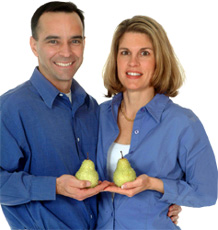
Check out the American Diabetes Association site to help calculate your risk of Diabetes. If you have Diabetes, work with your health care team to make sure you are in control. If you have been diagnosed or told that you have Pre-Diabetes, work with your health care team to control your risk factors. It has been predicted that by the year 2050, 1 out of every 3 Americans will have Diabetes. Don’t wait to be told you have Diabetes, take control![321064_10150295068832831_101846912830_8161234_1207462758_n[1]](http://nutritionpair.com/notd/wp-content/uploads/2011/11/321064_10150295068832831_101846912830_8161234_1207462758_n1_thumb.jpg "321064_10150295068832831_101846912830_8161234_1207462758_n[1]") of your health now! Join the Stop Diabetes effort. of your health now! Join the Stop Diabetes effort.
Remember, you control your health. It will take effort, sacrifice, commitment and hard work, but you’re worth it!
It’s Your Health. It’s Your Life. Make That Change!
~John
Permalink
October 14, 2011 at 6:21 pm
· Filed under Diabetes, General Nutrition & Wellness, Nutrition, Professional Interest, Wellness
Two recent studies have just come out detailing findings on the use of vitamins and supplements and their impact on health. There has long been a controversy regarding the impact supplements. It has been difficult to find any definitive outcomes on the subject. The new studies released this week do not offer a clear answer either. But, they do provide a reason to stop and think about what we are doing. In the first study, researchers looked at the use of Vitamin E by men. The study found that those taking high doses (400 units/day) had an increased risk of prostate  cancer by about 17%. Vitamin E joins the list of other supplements that have an inconclusive status. In 2005, studies surfaced that looked at the risk/benefit of using Vitamin E to help against heart disease. There was no significant benefit noted. In fact, those in the cohort taking a higher dose actually increased their risk of death. cancer by about 17%. Vitamin E joins the list of other supplements that have an inconclusive status. In 2005, studies surfaced that looked at the risk/benefit of using Vitamin E to help against heart disease. There was no significant benefit noted. In fact, those in the cohort taking a higher dose actually increased their risk of death.
The other recent study looked at the use of multivitamins, folic acid, iron and copper by older women. The report of findings from those researchers found that women taking the vitamins and supplements had a higher risk of death as compared to those not taking them. Before jumping to any conclusions, however, there are some things to question in this study. The average age of admission to the study in 1986 was over 61 years old. It is reported that by 2008, over 40% of the participants had died. That is a long 22 year span to follow participants. The strength of the study may be questioned, as it should. The headlines, “Dietary Supplements Linked to Higher Death Risk”, can be seen as alarmist.
My point is not to analyze the studies. Instead, I want to encourage you once again to look at what you are eating. Dietary supplement use in the United States is a huge business with reported sales of over $9 million dollars a year. Combine that with the heavy reliance on pharmaceuticals and you can see what a pill happy society we’ve become. The challenge is to make changes to your lifestyle to prevent having to use pills. Diet and exercise play a huge role in our health. A very interesting report just recently came out on the benefits of eating fruits and vegetables. The report looks at the genetic expression of the 9p21 chromosome. The 9p21 variant has been implicated in heart attacks and cardiovascular disease. The researchers found that those with a genetic predisposition of developing cardiovascular disease could alter gene expression by increasing intake of fruits and vegetables. While there are still many questions to answer concerning this study, it is interesting when we start discussing how our genetic code can be influenced by our diet. (Original Source)
If you are looking for better health, start with your lifestyle. Increasing fruits and vegetables has long been seen as a deterrent to poor health. Make a true commitment to change. If I had a dollar for the number of times I’ve been told by clients, “I know what I should be doing, I just can’t/don’t want to do it!”, I could retire. We’ve let our health get away from us and we put too large a reliance on medications to help us instead of helping ourselves. Become responsible for your own health. I know lifestyle changes are difficult but the road to better health is not an easy one. If it were, we would not have as much sickness in our country. You have the power to change. You hold the key to better health! As we always say here at Nutrition Pair:
“It’s Your Health. It’s Your Life. Make That Change!”
~John
Permalink
September 19, 2011 at 12:52 pm
· Filed under Diabetes, Professional Interest
"If I had only one wish in this world, I would wish for Daddy’s diabetes to go away". – Jonathan Lamberson, age 10 ½
I cannot express how proud I am of my son. He took on the role of a parent the other night and helped his father treat an extremely low blood sugar. Hypoglycemia is rare for John, but it does occur. Often when it happens, it is sudden and with very little warning.
I was home Saturday night, but Jonathan stepped in while I was in the other room locating glucose gel. He did exactly what we have taught him. What surprised me was how very calm and consoling he was to John. Jonathan is a ten year old who does not always show responsibility and does not always think of others. However, he really surprised me and stepped up to the plate that night.
Sometimes I worry about exposing our children to the really ugly side of diabetes—hypoglycemia. I hate that they have to witness their father in such a vulnerable, bizarre state. I know how much it scares them. But, I do hope that it in some way, it will help them grow into considerate, responsible adults. This is life, after all.
It’s Your Health. It’s Your Life. Make That Change!
~ Angie
Permalink
August 4, 2011 at 12:21 pm
· Filed under General Nutrition & Wellness, Nutrition, Professional Interest, Wellness
 “Imagine that the World had created a new ‘dream product’ to feed and immunize everyone born on earth. Imagine also that it was available everywhere, required no storage or delivery and helped mothers to plan their families and reduce the risk of cancer. Then imagine that the world refused to use it”. — James Grant, Executive Director for Unicef (1980-1995). “Imagine that the World had created a new ‘dream product’ to feed and immunize everyone born on earth. Imagine also that it was available everywhere, required no storage or delivery and helped mothers to plan their families and reduce the risk of cancer. Then imagine that the world refused to use it”. — James Grant, Executive Director for Unicef (1980-1995).
John and I are huge fans of breastfeeding. As parents, we have seen the wonderful outcomes and rewards that breastfeeding has provided in our own children. As Registered Dietitians, we know that breastmilk is nature’s most perfect food. Besides the ideal balance of carbohydrate, protein, fat and micronutrients, it contains antibodies specifically obtained from the mother to destroy viruses and harmful bacteria. The benefits of breastmilk extend well into an infant’s adult years and will reduce their risk of ever developing obesity, diabetes or cancer.
This week is World Breastfeeding Week and the World Alliance for Breastfeeding Action (WABA) has announced this year’s theme as “Talk to me! Breastfeeding – a 3D Experience”. The focus is not only on the importance of the mother-baby connection (two-dimensions) but also the support needed from the health care system, friends, family members and the community (the ever-important 3rd dimension).
For more information about this year’s world breastfeeding theme, visit the WABA website at www.worldbreastfeedingweek.org. Also, to view what the state of North Carolina is doing to encourage support for nursing moms, please see: http://www.ncdhhs.gov/pressrel/2011/2011-08-01-nursing_moms.htm.
It’s Your Health. It’s Your Life. Make That Change!
~ Angie
Православни иконииконописikoni
Permalink
« Previous Page — « Previous entries « Previous Page · Next Page » Next entries » — Next Page »
|
| |
|
|







![321064_10150295068832831_101846912830_8161234_1207462758_n[1]](http://nutritionpair.com/notd/wp-content/uploads/2011/11/321064_10150295068832831_101846912830_8161234_1207462758_n1.jpg "321064_10150295068832831_101846912830_8161234_1207462758_n[1]")