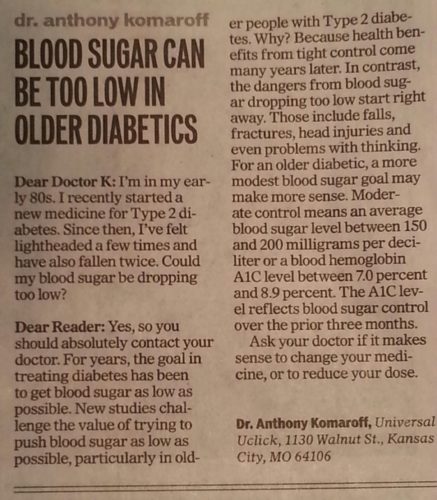
 Nice response from Dr. Komaroff in answering a question from one his readers. (Saw this in the Wednesday, August 17, 2016 edition of The Virginian-Pilot). Older people with diabetes definitely need to speak to their physicians about what target blood sugar levels should be. While having chronically high blood sugars is bad over the long term, hypoglycemia, low blood sugar, can cause immediate problems! You must treat low blood sugars with a sense of urgency. Blood sugar monitoring is important. As we age, our ability to feel low blood sugars can diminish. Often, the older patient with diabetes may be taking multiple medications for a variety of health issues. This too can inhibit the body’s response to recognizing low blood sugar levels. Because of these issues, the recommendation is to allow blood sugar levels to run a little higher for this group. Dr. Komaroff details that very well in his column.
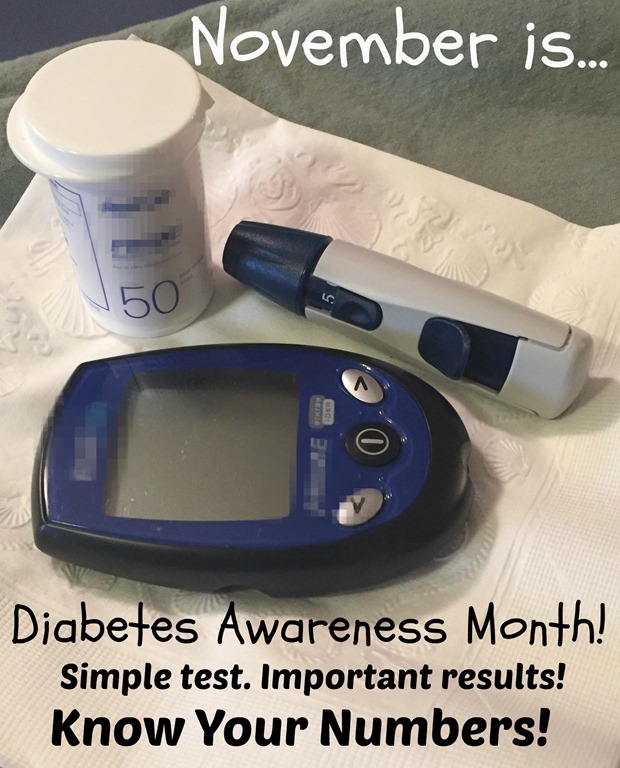
But, I would take it a bit further. To be sure of blood glucose levels, you must check! Use a blood glucose monitor to track how your body responds to your diabetes medicine, dietary changes and activity levels. For people with Medicare coverage blood glucose monitoring is approved for one glucose check a day, unless you are on insulin. With insulin use, you are typically granted 3 times a day approval. Regardless of the coverage, if you are on hypoglycemic medications, it is extremely important to regularly check blood glucose levels. Blood glucose monitoring can be an expensive part of your diabetes management program. But, it is a vital part! To make the most of your effort, keep a record of your results and be sure to take those results with you when you see your physician or diabetes educator. Identifying trends in your glucose levels can help to provide better blood glucose management and keep you healthy and safe. Be an active participant of the health care team.
It’s Your Health. It’s Your Life. Make That Change!
~John
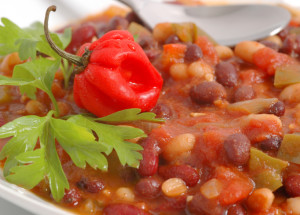 This Vegetarian Beer Chili is a perfect Meatless Monday recipe because it’s so easy & cooks in only 20 minutes. Add a beer for best flavor. Enjoy!
 A person with Diabetes will certainly tell you that it has its ups and downs. Sure, having Diabetes can cause a ton of different feelings and emotions. But the Highs and Lows I’m talking about today are Blood Sugar Levels. The Highs and Lows. Both are important and can have an impact on your overall health. But, Lows can be even more problematic. Hypoglycemia can cause a critical situation that might require the intervention of emergency personnel. To prevent that from happening, you must be aware of what your blood sugar levels are doing. So, let me tell you a little story about last night (2.22.2016)…. I’ll show you my Blood Glucose log and actions taken:
 This is an easy, healthy, kid/teen approved casserole made with chicken, quinoa & black beans. It’s a perfect dish when you are cooking for a crowd or if you are one who likes leftovers or “planned overs” like we do. It makes 10 servings! Also, this dish is gluten-free which is helpful for those folks who need to avoid gluten in their diet.
 you’ve been able to keep those resolutions! Many times we start to falter as we move deeper into January and February. We often have a tough time making and maintaining change. Why? It doesn’t have to be that way! Things change every day. We are just not always aware of the changes going on around us. The sun rises in the East and sets in the West day after day. What’s different about the rising and setting of the sun? The time is different. It never rises and sets at exactly the same each day! We just don’t perceive the difference until it hits us how dark it is at 4:30 pm on the Winter Solstice. The gradual change makes it more difficult to distinguish the changes. (Take heart, the sun shines a little longer each day now!)
 ercise more. Specify what that means to you. How do you define eating healthier or exercising more?