 To maximize your youth athlete’s performance in the classroom AND on the field, it is important to pay attention to the foods we eat. Proper fueling and nutrition can help them feel better, be more alert and learn more. During competition, adequate nutrition can help your child athlete stay injury free or recover quicker if injured. Good nutrition does not have an off-season. To get the most benefit, you need to start now and continue throughout the year. Remember, you set the example for your family!
Ahhhh….our favorite time of year—fall sports! We have compiled information that we use for our own children who are active in sports as well as in our work with schools and youth sports teams. For these talks, we have brought in “urine specimen” cups for the athletes to view how their urine looks when they are well and not-so-well hydrated. The kids go nuts when John tries to drink the “specimens”, but it does help them to remember this easy way for them to gage their own hydration status
The Nutrition Playbook:
1.Start each day with Breakfast!
Any food can count towards breakfast. Be sure to include fruit, grains, proteins and dairy.
2. Focus on powerhouse foods:
- Fresh or Frozen Fruits and Vegetables: give your body the energy and nutrients you need to stay active, focused and healthy
- Aim for 2 pieces of fresh fruit and 1-2 cups of Vegetables everyday. Fruit juices are a source of liquid and nutrients but more benefit comes from eating the whole fruit.
- Lean Sources of Protein: provide the nutrients needed to help build new muscle and repair damaged tissues. Baking, grilling, broiling boiling or steaming are great ways to prepare meats. Lean choices include:
- Fresh or frozen Fish, Canned Tuna or Salmon
- Skinless Chicken Breast
- Eggs
- Peanut Butter
- 1%, 2% or Part Skim Cheese
- Whole Grains, breads and cereals: are great source of vitamins, minerals and fiber. They provide a strong source of Carbohydrates, the body’s preferred fuel source! Sources include:
- Oatmeal, Grits or Whole Wheat Cold Cereals
- Whole Wheat Breads, English Muffins, Tortillas
- Wheat Pasta, Brown Rice
3.Drink 8 oz. of 1% or Fat Free Milk or Eat Yogurt at least twice everyday!
- Milk supplies protein and carbohydrate and is an excellent source of calcium, potassium and many other important nutrients!
4. Plan on adding snacks during the day to fit around practices and games
- Snack Ideas: [Good to use as pre or post game snack!]
- Peanut Butter Crackers, graham crackers or sandwich with a Banana and Glass of Milk
- Cup of Yogurt, piece of fruit, and pretzels with water
- Cup of Yogurt with granola cereal
- 3 Fig Newton’s with a glass of water or milk
- Cheese and crackers, grapes, and water
- Homemade Trail Mix:
- Handful of nuts (any type will work) mixed with a ½ handful of dried fruit (raisins, cranberries, apricots, etc.)
- Celery and or Apple with peanut butter
- Cereal and low fat milk. Add some fruit!
5. Limit Fast Foods! While convenience and price makes eating fast food desirable, most restaurant meals short change you in fruits and vegetables. In addition, they often contain excessive amounts of sodium. If you choose fast foods, make sure to add fresh fruit to the meal. Choose Low Fat (1%) or Fat Free (Skim) milk in place of sodas or tea.
6.Stay hydrated during the day by drinking plenty of fluids.
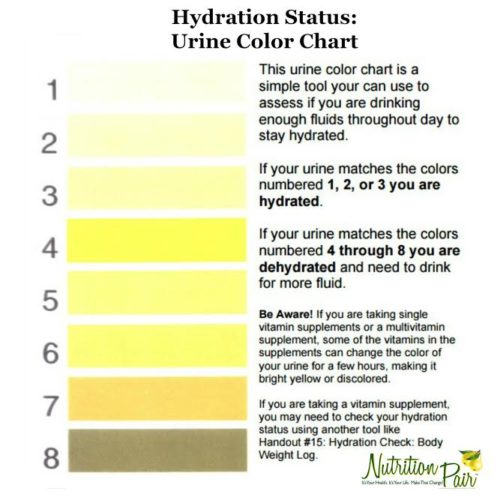
You should be urinating at least every 2-3 hours. Sports drinks may help some, but your first choice should be water. You can monitor urine color to get a better idea of how well hydrated you are. Try to keep urine color between the numbers 1 and 3. (See chart below)
7. Rest and Recovery! Games and practices can make it difficult to keep a regular sleep pattern. It is important to get proper rest to help reduce risk of injuries and provide for time to recover from training. Get a jump on nutrition by planning meals and snacks in advance to help when time becomes limited.
It’s Your Health. It’s Your Life. Make That Change!
 We all want our children to be the best they can be. We want our children to be healthy, happy and safe. One way to make sure your child is prepared is with nutrition. It starts an early age, a very early age! August is National Breastfeeding Month and Kids Eat Right Month. Both programs are geared towards helping to educate parents about the importance of nutrition throughout life. I like that we celebrate both events together. There is no question that breastfeeding your newborn for as long as possible will help to set a solid foundation for health. Continuing healthy habits as your child ages will help to reduce their risk of chronic disease and illnesses.
 icals, it is surprising that we have not seen a jump in the length of time breastfeeding is provided. Check out this
 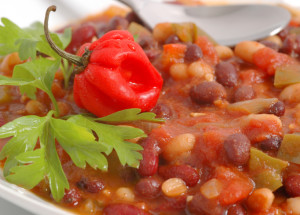 This Vegetarian Beer Chili is a perfect Meatless Monday recipe because it’s so easy & cooks in only 20 minutes. Add a beer for best flavor. Enjoy!
 m added Caffeine! Not what I was expecting from an Orange Juice. OJ by itself provides you with enough calories in the form of carbohydrate to give you a tremendous amount of energy. Why add caffeine?
 “100% Orange Juice”. While it is 100% juice, caffeine has still been added and I’ve never seen caffeine in OJ before. And, the last time I checked, caffeine was not a NATURAL ingredient in oranges. We normally buy the HomeMaker brand of orange juice because of the taste, the quality and the cost. However, when seeing their new offering, I was disappointed.
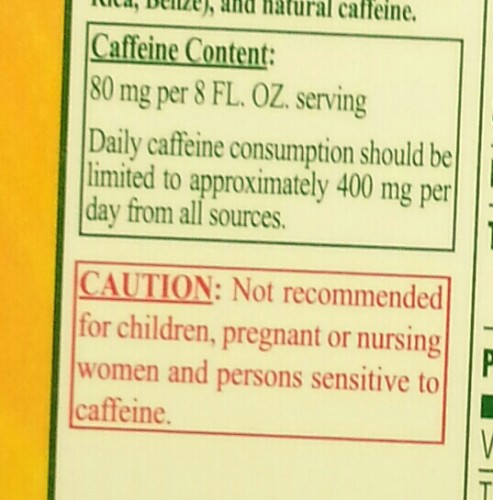 a child that drinks 12 ounces of OJ at time. What happens there? I was impressed to see that the company did add a warning box, highlighted in red, on the Nutrition Facts side of the box stating that children, pregnant or nursing women, and persons sensitive to caffeine should not drink it.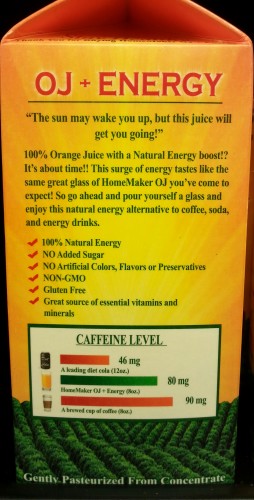
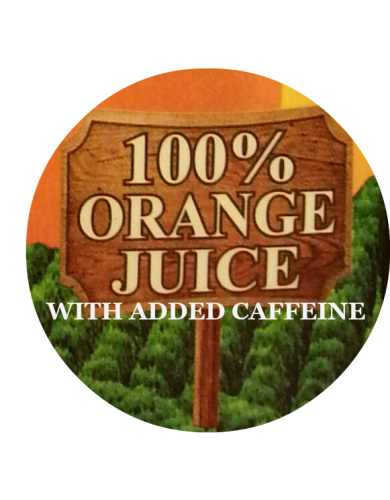 But my feelings are that they don’t need to confuse the public by mixing the caffeine added OJ in with the regular versions. One of suggestion was to add a statement indicating that caffeine has been added to the OJ. Maybe a bit more prominent by adding it to the sign on the front of the container, like I did in the photo.
 This is an easy, healthy, kid/teen approved casserole made with chicken, quinoa & black beans. It’s a perfect dish when you are cooking for a crowd or if you are one who likes leftovers or “planned overs” like we do. It makes 10 servings! Also, this dish is gluten-free which is helpful for those folks who need to avoid gluten in their diet.
 you’ve been able to keep those resolutions! Many times we start to falter as we move deeper into January and February. We often have a tough time making and maintaining change. Why? It doesn’t have to be that way! Things change every day. We are just not always aware of the changes going on around us. The sun rises in the East and sets in the West day after day. What’s different about the rising and setting of the sun? The time is different. It never rises and sets at exactly the same each day! We just don’t perceive the difference until it hits us how dark it is at 4:30 pm on the Winter Solstice. The gradual change makes it more difficult to distinguish the changes. (Take heart, the sun shines a little longer each day now!)
 ercise more. Specify what that means to you. How do you define eating healthier or exercising more?